
How to Choose the Right American Football
Discover how to choose an American football based on size, material, grip, construction, bladder, and playing level. A practical guide for players, teams, clubs, schools, retailers, and bulk buyers.
Choosing the right American football involves more than selecting a color or design. The ideal ball depends on the player's age, hand size, playing level, surface, and intended use. Teams may need durable footballs for regular practice, while competitive programs may require balls that meet specific league regulations. Businesses ordering custom American footballs should also consider materials, grip, construction, branding, and order quantity. This guide explains the key factors to consider before buying American footballs for training, games, retail, or bulk orders.
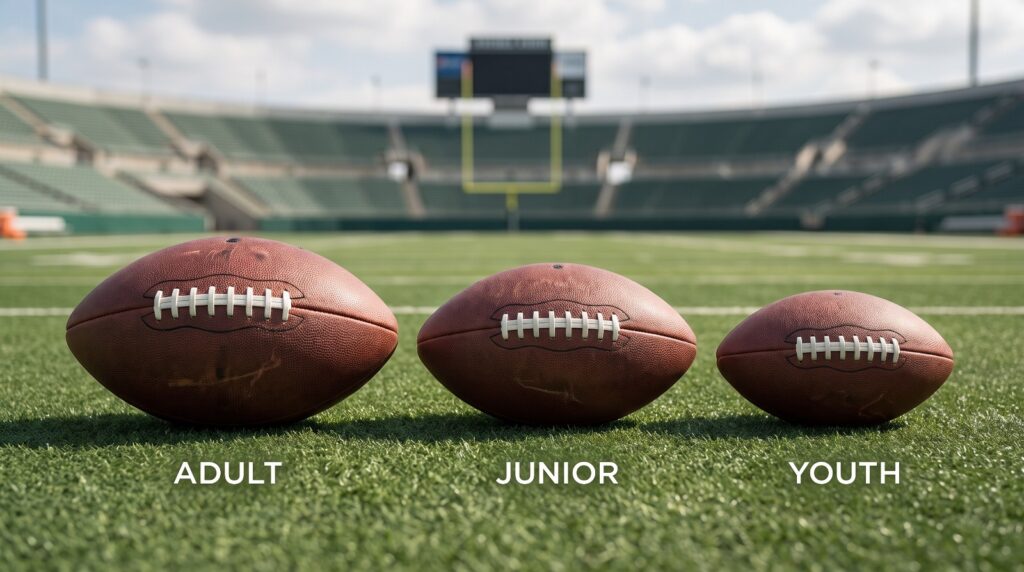
American Football Sizes Explained
Choosing the appropriate football size helps players handle, grip, and throw the ball more comfortably. Common size categories include Pee Wee, Junior, Youth, and Official.
Pee Wee American Football
Pee Wee footballs are designed for younger children who are learning basic throwing, catching, and handling skills. Their smaller size can make the ball easier for young players to grip.
- Young beginners
- Introductory practice
- Basic throwing and catching
Junior American Football
Junior footballs are a common option for developing players who are moving beyond beginner equipment. They provide a transition toward larger football sizes.
- Junior players
- Youth development programs
- Passing and catching drills
Youth American Football
Youth football sizes vary by manufacturer and league. These balls support continued skill development as players become more comfortable with throwing mechanics and ball control.
- Youth teams
- School practice
- Organized youth programs
Official-Size American Football
Official-size footballs are intended for older players and adult-level use. Size 9 is commonly associated with adult and professional-style American footballs.
- Adult players
- Advanced training
- Competition where approved
American Football Size Comparison Chart
Use this chart as a general starting point. Numbering and age recommendations can differ across brands and governing bodies.
| Size Category | Common Size Number | Typical Application |
|---|---|---|
| Pee Wee | Size 5–6, depending on brand | Young children and beginners |
| Junior | Size 6–7, depending on brand | Junior players and development |
| Youth | Size 7–8, depending on brand | Youth teams and school programs |
| Official | Size 9 | Adult play and approved competitions |
Choose the Right American Football Material
The outer cover influences grip, feel, durability, appearance, and cost. Choose the material according to how and where the ball will be used.
Composite Leather
Composite leather is a popular option for training and recreational footballs. Depending on its formulation and surface texture, it can provide a practical balance of grip, handling, appearance, and cost.
Genuine Leather
Genuine leather is used in certain traditional and competition footballs. Its feel and performance depend on the leather grade, finishing, care, and the specifications required by the competition.
Rubber Footballs
Rubber footballs can be suitable for recreational use and selected practice environments. Consider the surface texture, intended playing surface, and the manufacturer's product specifications before choosing.
Material Selection for Bulk Orders
For clubs, distributors, and private-label businesses, confirm the exact cover material, surface finish, color, and intended application before production. Request a sample when the material specification is important to the order.
Why American Football Grip Matters
A football's shape, surface texture, and laces all contribute to how a player holds, throws, and catches it.
Pebbled Surface
A textured or pebbled outer surface can help players maintain their hold on the ball. The texture and grip characteristics vary by material and model.
Raised Laces
The laces provide a contact point for the fingers when throwing. Their placement, shape, and feel should suit the intended player and ball specification.
Ball Shape and Handling
Consistent dimensions and an appropriate inflation level help the football perform as intended. Always follow the recommended inflation pressure for the specific ball.
Playing Conditions
Indoor, outdoor, and wet-weather conditions can affect ball handling. Consider the surface, expected weather, and the product's intended use when selecting a football.
American Football Construction Methods
Construction affects how the ball is assembled and can influence its consistency, durability, finish, and production cost.
Machine-Stitched Footballs
Machine stitching is a manufacturing option used for many training and recreational footballs. When comparing models, examine the stitching quality, panel alignment, and product specifications.
Hand-Finished Details
Some football designs use hand-finished elements or additional manual assembly. Confirm the actual construction process with the supplier rather than assuming all footballs use the same method.
Panel and Seam Quality
Consistent panel alignment, secure seams, and careful finishing are important quality considerations. For bulk purchases, agree on the required construction and inspection criteria before production.
Match the Build to the Purpose
A recreational ball and a competition ball may require different specifications. Select the construction according to the budget, playing level, performance requirements, and applicable rules.
Understanding American Football Bladders
The bladder is the internal chamber that holds air. Its material and construction are important considerations when comparing footballs.
Butyl Bladders
Butyl bladders are commonly chosen when air retention is a priority. Actual pressure retention depends on the bladder quality, valve, construction, and product design.
Rubber Bladders
Rubber bladders are another option used in football manufacturing. Compare the specific product's air retention, feel, inflation guidance, and intended application.
Choose an American Football Based on Its Intended Use
Different buyers have different requirements. Define your intended use before selecting the size, material, and construction.
Training and Practice
Training programs often need several footballs for repeated drills. Consider grip, durability, consistent sizing, ease of maintenance, and the number of balls needed for each session.
Schools and Youth Programs
Schools and youth organizations should prioritize suitable sizing, manageable grip, and the applicable age-group requirements. Confirm the size recommended by the league or program.
Clubs and Competitive Teams
Competitive teams may need specific ball dimensions, weight, materials, laces, and inflation pressure. Check the governing body's rules before ordering equipment for official games.
Retailers and Distributors
Retail and distribution businesses should compare product specifications, target customers, packaging, branding, order quantities, and consistency between samples and production batches.
Custom American Footballs for Teams and Businesses
Customization can help teams, clubs, events, retailers, and private-label brands create footballs that fit their identity and product requirements.
Custom Logo and Branding
Discuss logo placement, artwork, brand colors, and printing options with your supplier. Confirm artwork dimensions, color matching, and production feasibility before approving a sample.
Color and Design
Choose the preferred color scheme, surface finish, and visual details for your team or brand. Confirm which elements can be customized for the selected model.
Wholesale and Bulk Orders
Bulk buyers should specify the quantity, sizes, materials, construction, branding, packaging, and destination. Minimum order quantities, pricing, and lead times should be confirmed for the actual project.
Sample and Quality Approval
Where available, review a sample before approving bulk production. Document the agreed material, dimensions, artwork, and quality requirements to reduce misunderstandings.
American Football Buying Checklist
Review these important details before placing an individual or bulk order.
Looking for Custom American Footballs?
Whether you are sourcing footballs for a team, school, club, retailer, or private-label brand, ZABQAS can discuss your requirements for product specifications, customization, and bulk orders.
Discuss Your Requirements →Product specifications, available customization, minimum order quantities, pricing, and delivery timelines should be confirmed with ZABQAS before placing an order. Competition requirements may vary by governing body and level of play.